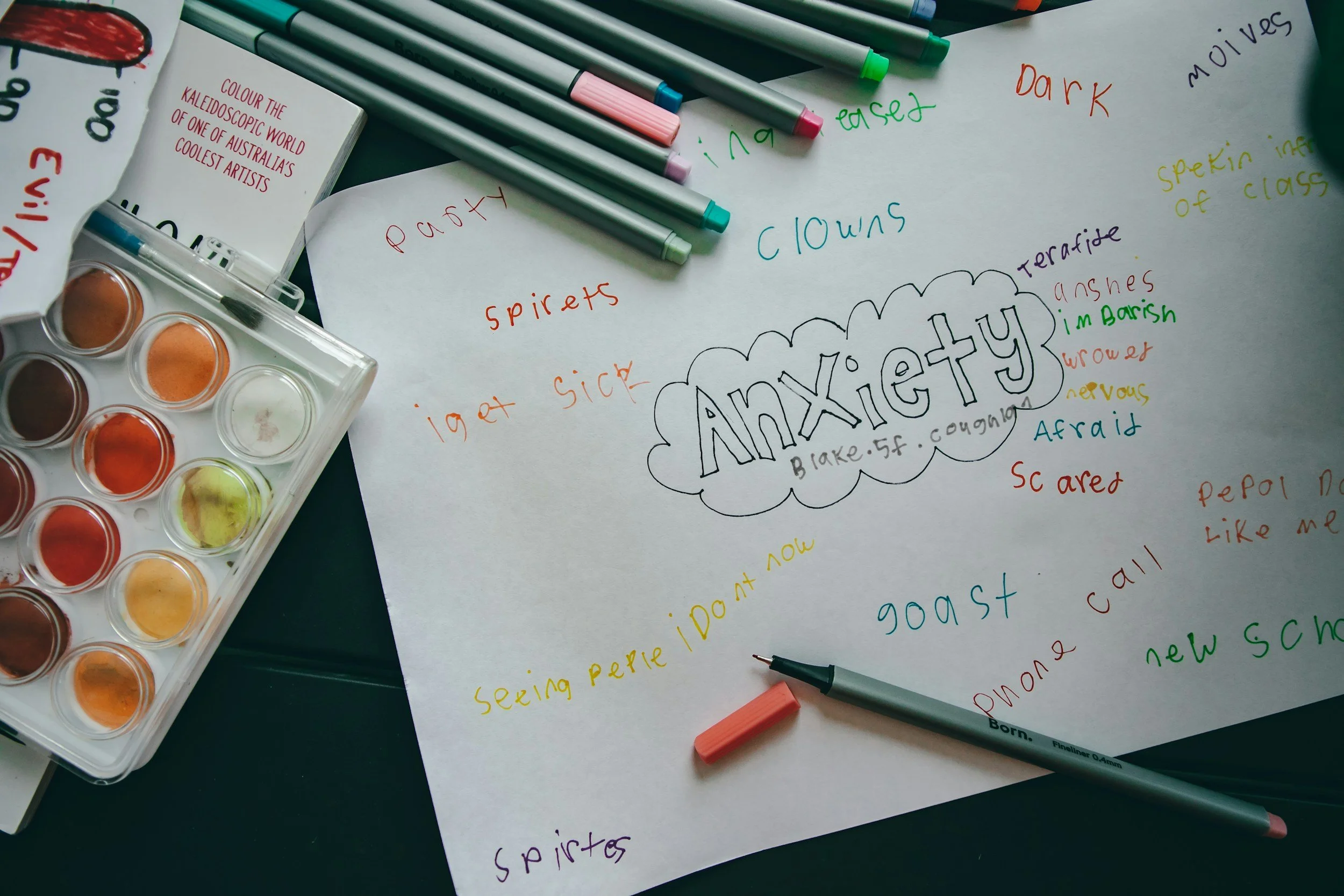
Every morning before school, a 7-year-old would hold his stomach and plead to stay home. His parents took him to the pediatrician, who found no medical reason for his complaints. “We realized it wasn’t about being sick; it was about being scared,” his mom explained. “But we didn’t know what steps to take next.”
For many families, anxiety first appears in the body: headaches, stomachaches, or trouble sleeping, which can leave parents wondering if it’s a phase or if their child needs extra help.
The tug-of-war between hoping your child will grow out of it and wondering if it’s time to seek support is a common experience.
The truth is, you don’t need to wait until things reach a crisis. Kids don’t have to be in a dire situation to gain from therapy.
Just as we take them for regular check-ups at the doctor, therapy is a safe and proactive way to support their emotional well-being and help them develop skills to manage their emotions as their brains and hormones respond to their environment.
In other words, the timing is ideal. Since they are already growing and changing, there's no reason not to teach them about their nervous system, which also evolves and reacts.
Why Parents Hesitate
Are you one of the parents we talk to every day who carry the following list of worries? Maybe not all, but even just one?
“What if therapy makes my child feel different?”
“What if I caused this?”
“What if this is just what growing up is now?”
If you’ve ever had these thoughts, you’re not alone. The reality is that therapy isn’t aimed at fixing a “problem child.” Instead, it provides children with a safe environment in which to learn, heal, and develop, while also supporting their parents (perhaps even just by helping the child learn about their behavior better!)
Everyday Signs That Therapy Could Help
Children experience the world with an intensity that can be easy for adults to forget. What might seem like a small disappointment, a passing friendship conflict, or an ordinary change in routine can feel enormous to a child still learning how to understand and navigate their emotions.
And while growing up naturally comes with challenges, there are times when a child's feelings or behaviors may be telling us they need a little more support.
Sometimes the signs are obvious. Other times, they're subtle shifts in how a child engages with the people, places, and activities that once felt familiar.
Here are some signs that child therapy may be helpful:
Big emotions that feel difficult to manage. Frequent meltdowns, intense frustration, emotional outbursts, or difficulty recovering after something upsetting.
Worry that gets in the way of everyday life. Persistent fears, reassurance-seeking, perfectionism, school avoidance, or physical complaints like headaches and stomachaches.
Withdrawal or changes in connection. Pulling away from friends, family, favorite activities, or opportunities for play and exploration.
Changes in school functioning. Difficulty concentrating, declining academic performance, increased conflict, or behavioral concerns that may reflect underlying emotional or developmental needs.
Changes in sleep, appetite, or energy. Difficulty falling asleep, frequent waking, changes in eating patterns, or persistent fatigue and irritability.
Difficulty navigating life transitions. Grief, divorce, moving, bullying, family changes, or other experiences that disrupt a child's sense of stability, belonging, or security.
Not every emotional outburst signals a deeper concern, and not every change in behavior means something is wrong. Children are continually growing, adapting, and developing new ways of understanding themselves and the world around them.
What matters is the broader picture: How often is this happening? How intense does it feel for your child? Is it affecting their relationships, confidence, or ability to participate in everyday life?
Sometimes these patterns persist for weeks or months. Other times, a significant event or sudden change may warrant support sooner.
And importantly, you don't have to wait until your child is struggling significantly to consider therapy.
Child therapy isn't simply about addressing problems or changing behaviors. It can also be a space for children to feel understood, strengthen their emotional awareness, build confidence, and develop a greater sense of safety and connection as they grow.
A Different Way to See “Normal”
Take a moment to think about your child’s age. Every stage has quirks: preschoolers test limits, tweens roll eyes, and teens crave independence. That’s expected.
The difference is in intensity, duration, and impact. If your child’s struggles seem bigger, last longer, or ripple into every part of life, that’s your cue: support could help.
And a quick note on “normal.” This word is a live wire in the field. Yes, there is a baseline that each emotionally healthy individual will have.
Perhaps that’s what we can label as “normal,” but what really matters is answering, “what is 'normal' for me? For my child?” and “how have I or how has my child shifted from that, and for how long? Why?”
What Therapy Looks Like for Kids
When parents imagine therapy, they might picture someone sitting on a couch, answering questions about their feelings while a therapist takes notes. But for children, therapy often looks quite different. Sometimes, it doesn't look like therapy at all.
A session might involve building an elaborate world with figurines, creating something with art supplies, playing a game, or simply having a conversation about what's happening at school. What matters isn't necessarily the activity itself, but the opportunities it creates for expression, connection, and understanding.
Depending on a child's age, developmental needs, and therapeutic goals, sessions may incorporate different approaches:
Play therapy: Through toys, storytelling, art, imaginative play, and sensory experiences, children can explore emotions and experiences without the pressure of finding the right words. In child-centered play therapy, children lead while the therapist supports their expression, autonomy, and emotional development.
Talk therapy: Older children and adolescents may benefit from conversations that help them explore their experiences, recognize emotional patterns, understand relationships, and develop strategies for navigating challenges. Creative activities and play can still be meaningful parts of this process.
Family and parent sessions: Sometimes the most meaningful work happens when caregivers are involved. These sessions can help families better understand one another, explore relational patterns, strengthen communication, and create opportunities for connection beyond the therapy room.
While the approaches may differ, the foundation remains the same: a safe, accepting, and supportive relationship where children can feel seen, heard, and understood.
You Don't Have to Wait Until Things Get Harder
Parents often wonder whether their child's struggles are significant enough to warrant therapy. Is this just a phase? Will they grow out of it? Am I overreacting?
These are understandable questions, especially when childhood development rarely follows a predictable path.
But seeking support doesn't require waiting for a crisis, a diagnosis, or a problem that feels too big to manage.
Just as we support children's physical development through preventive care, we can nurture their emotional well-being before difficulties become more disruptive. Therapy can offer children opportunities to understand themselves, strengthen emotional regulation, navigate relationships, and build confidence in their ability to manage life's challenges.
It can also give parents something equally valuable: a space to better understand their child, explore what's happening beneath challenging behaviors, and discover new ways of connecting.
The goal isn't to raise children who never struggle. It's to help them feel secure enough to navigate those struggles, knowing they don't have to do it alone.
Frequently Asked Questions
Will therapy label my child?
No, therapy is not about labels. It’s about developing skills, building confidence, and fostering healing.
How long will it take?
Some kids benefit from short-term therapy (8–12 sessions). Others need longer-term support. Your therapist will guide you.
What if my child refuses to go?
It happens! Many kids feel nervous at first, but they quickly warm up once they realize that therapy is supportive and even enjoyable. That said, listen to your child. They need to feel safe, supported, and develop a sense of trust in a way they haven’t experienced before for a therapeutic relationship to grow. If the child doesn’t feel comfortable or feel that, “click,” listen to them. There is a therapist for everyone.
